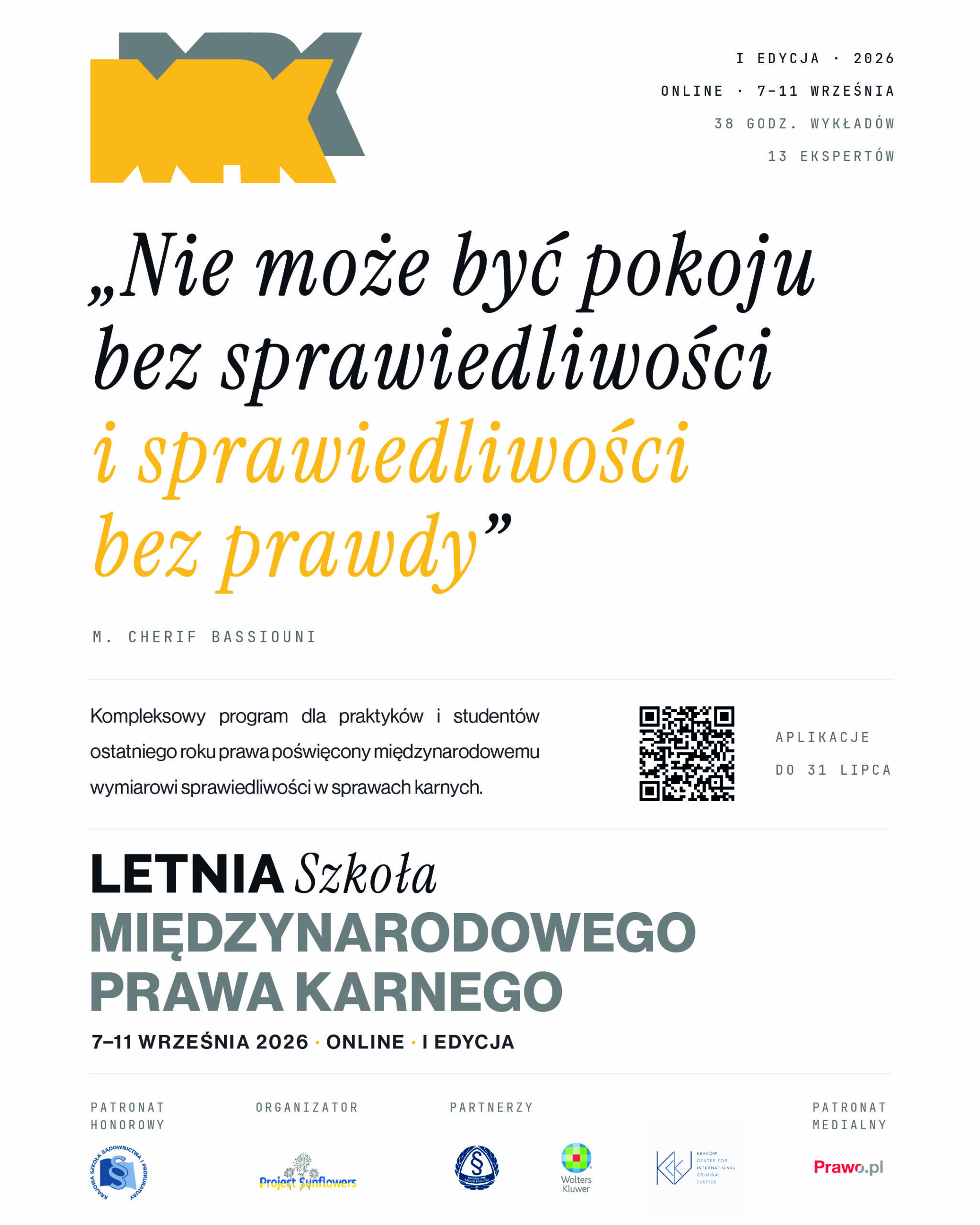
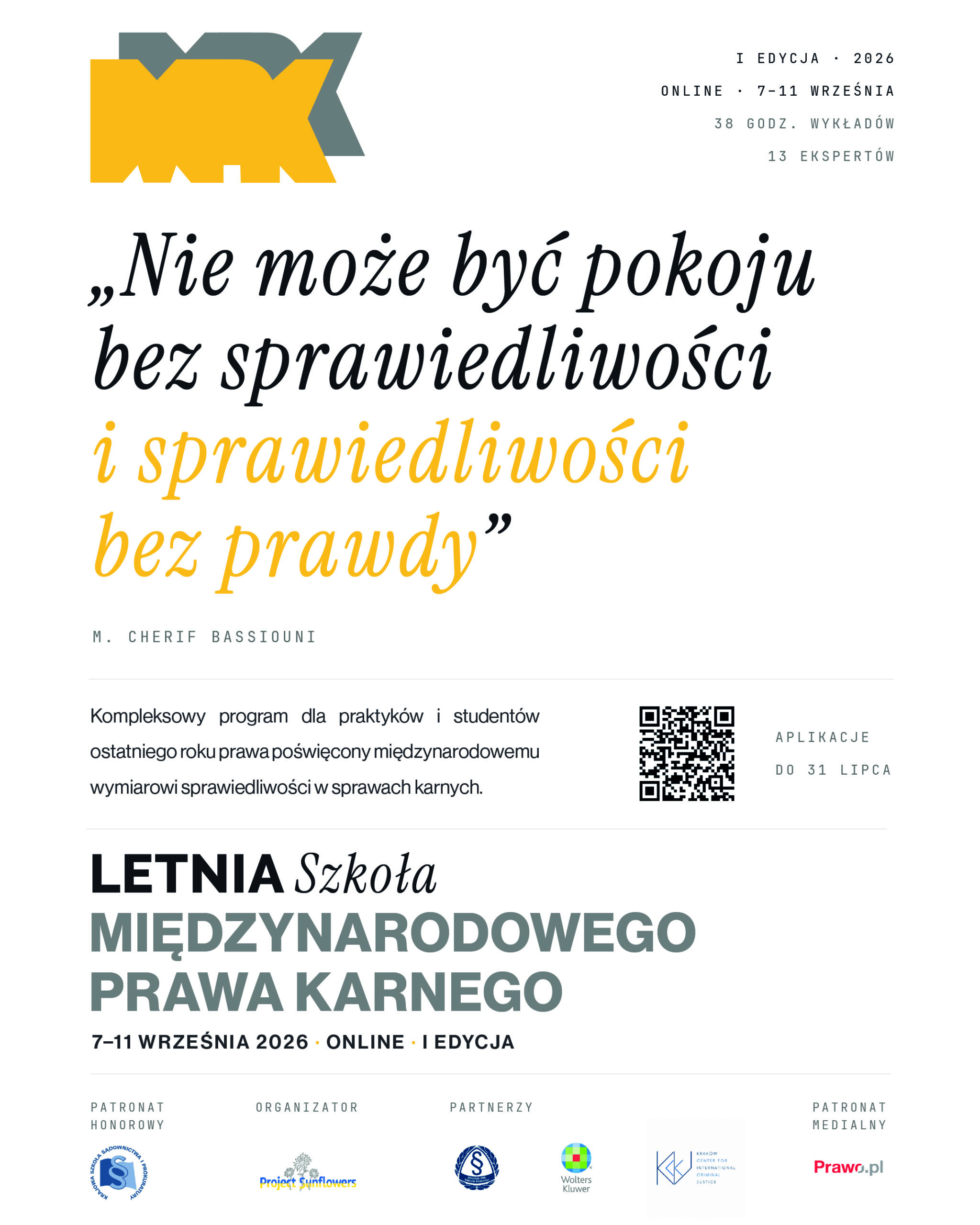
Nowy program Letnia Szkoła Międzynarodowego Prawa Karnego · 7–11 września 2026 Rekrutacja zakończona
News

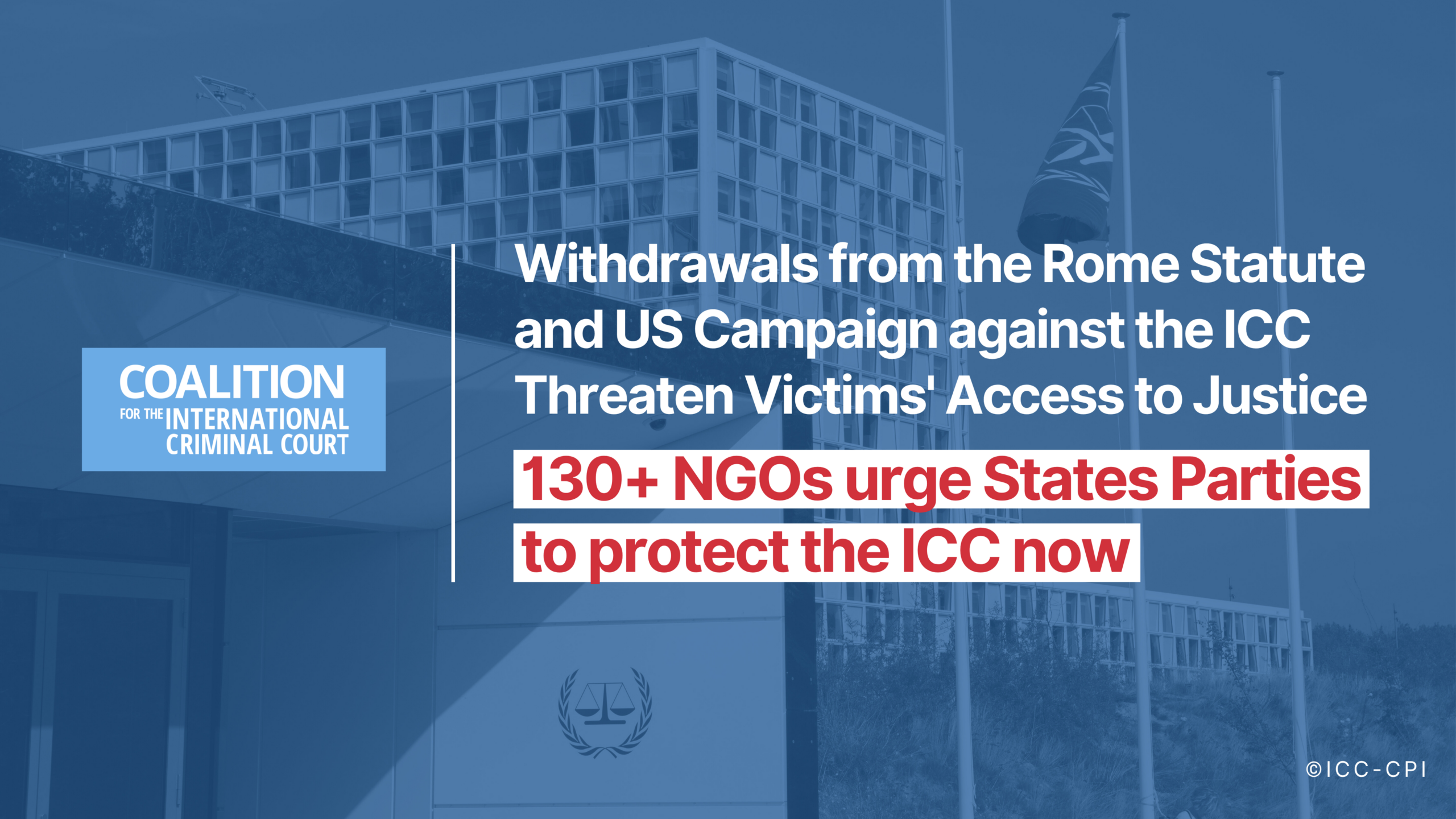
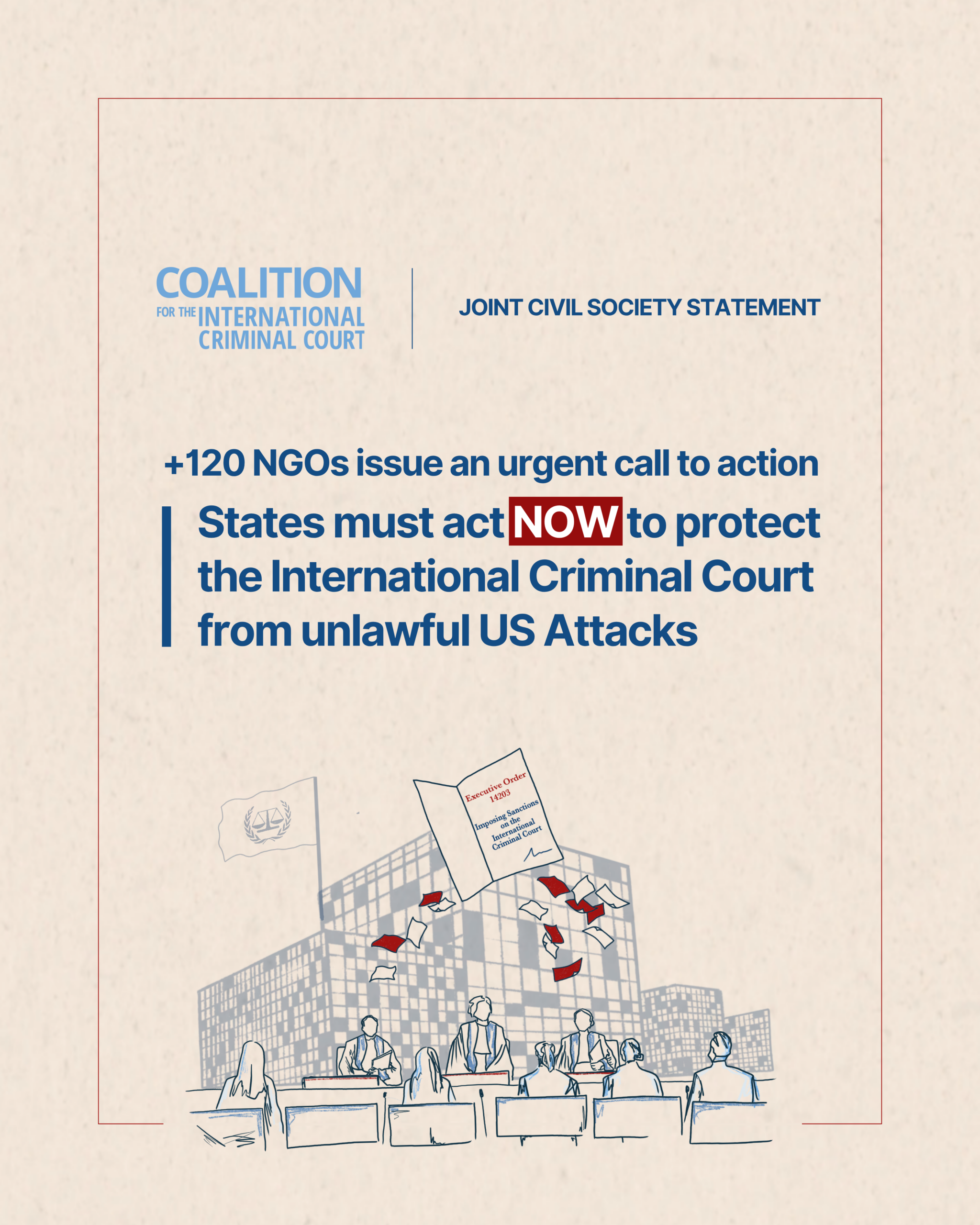
Sunflowers joins 130+ civil society organisations in call to defend the ICC and the Rome Statute system

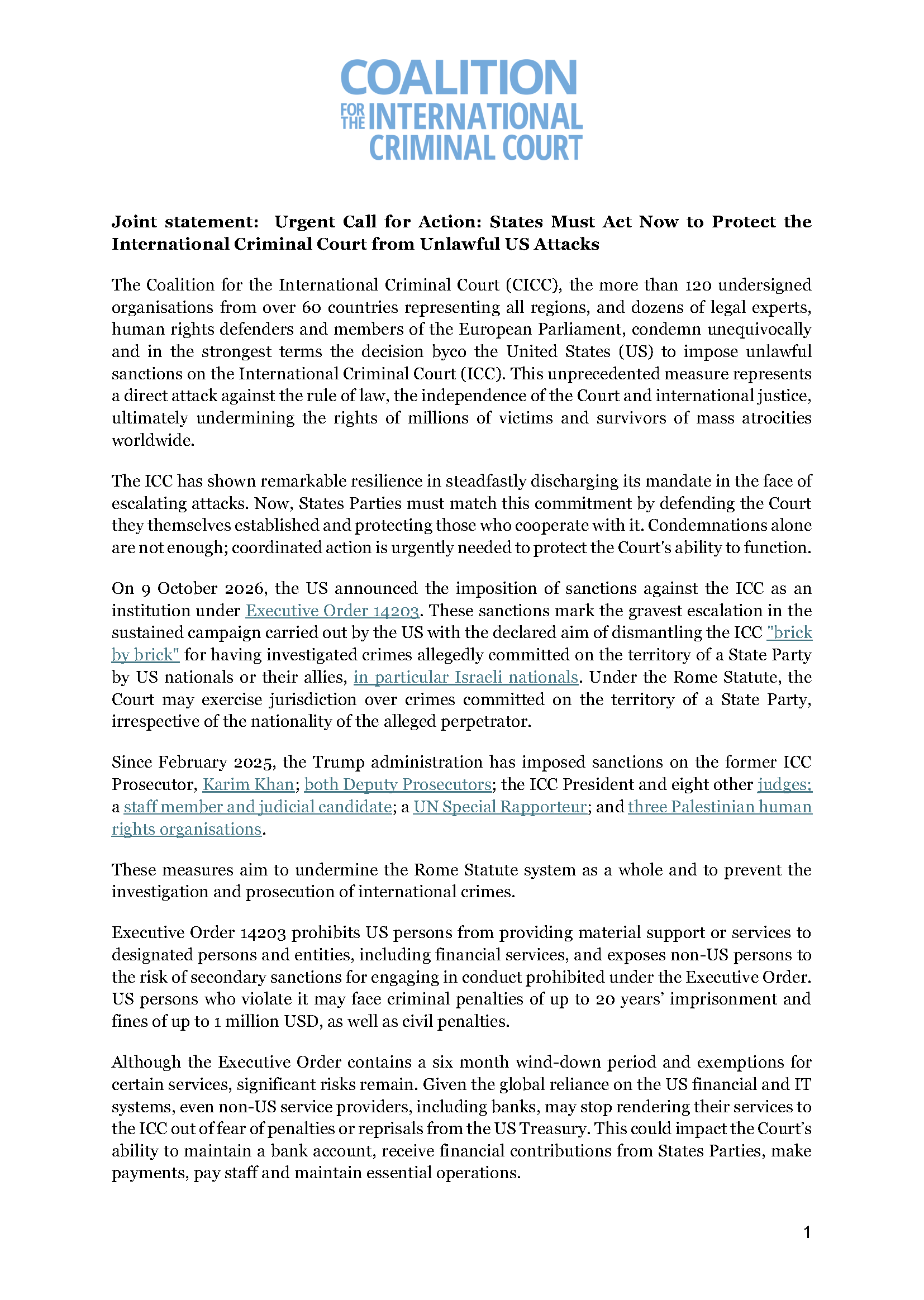
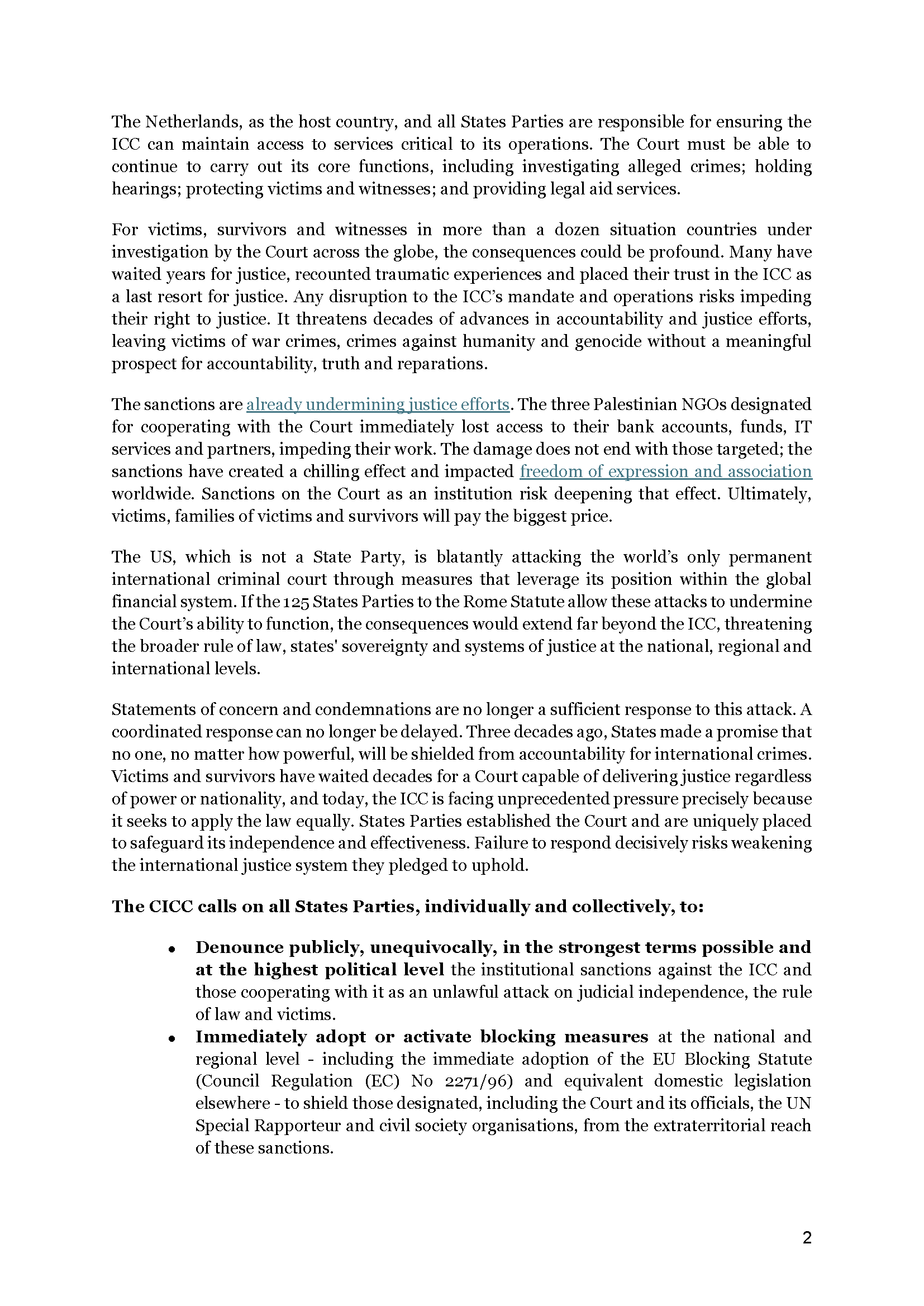
More than 130 civil society organisations from 56 countries have called on States Parties to the Rome Statute to take collective action to protect the independence of the International Criminal Court (ICC) and safeguard the international justice system. The Foundation Sunflowers has joined the signatories of this statement.
 
The joint statement, prepared by the Coalition for the International Criminal Court (CICC), comes in response to recent developments that threaten the integrity and effectiveness of the system established by the Rome Statute.
 
Within the space of just two months, Mali, Burkina Faso, Niger, Venezuela and Chad formally notified the United Nations of their intention to withdraw from the Rome Statute. At the same time, the United States has intensified its attacks on the ICC and the independence of international justice, including through additional sanctions and diplomatic pressure aimed at encouraging States Parties to withdraw from the Rome Statute.
 
Why does this matter?
The ICC was established to ensure accountability for the most serious international crimes — genocide, crimes against humanity and war crimes — where national authorities are unwilling or unable to genuinely investigate and prosecute those responsible.
 
The weakening of the Rome Statute system can have direct consequences for victims and survivors. Withdrawals may undermine cooperation with the Court, including access to victims and witnesses, as well as the arrest and surrender of suspects. They can also create safe havens in which perpetrators of the most serious crimes may evade accountability.
 
The signatories therefore call on the five States that have announced their withdrawal to reverse their decisions before they take effect. They also call on States Parties and regional organisations to reject attacks against the ICC, prevent further withdrawals, resist political pressure and reaffirm their commitment to the Rome Statute system.
 
At the same time, the statement recognises that concerns about fairness and selectivity in international justice must be taken seriously. However, such concerns should be addressed through dialogue, cooperation and efforts to strengthen the international justice system — not through unilateral withdrawals from the Rome Statute.
 
Victims must remain at the centre
 
For the Foundation Sunflowers, the statement is particularly important because of its focus on victims and survivors.
 
The pursuit of accountability is not an end in itself. Victims and survivors need meaningful access to justice, truth and reparations, and international justice mechanisms must remain capable of responding to their rights and needs.
The promise made to victims nearly three decades ago in Rome — that impunity for the most serious international crimes should no longer be the norm — must not be undermined by political pressure or by the weakening of the system created to fulfil that promise.
 
As a Foundation working to support accountability for international crimes and to strengthen access to justice and reparations for victims, Sunflowers stands with the organisations calling for the protection of the Rome Statute system and the independent work of the ICC.
 
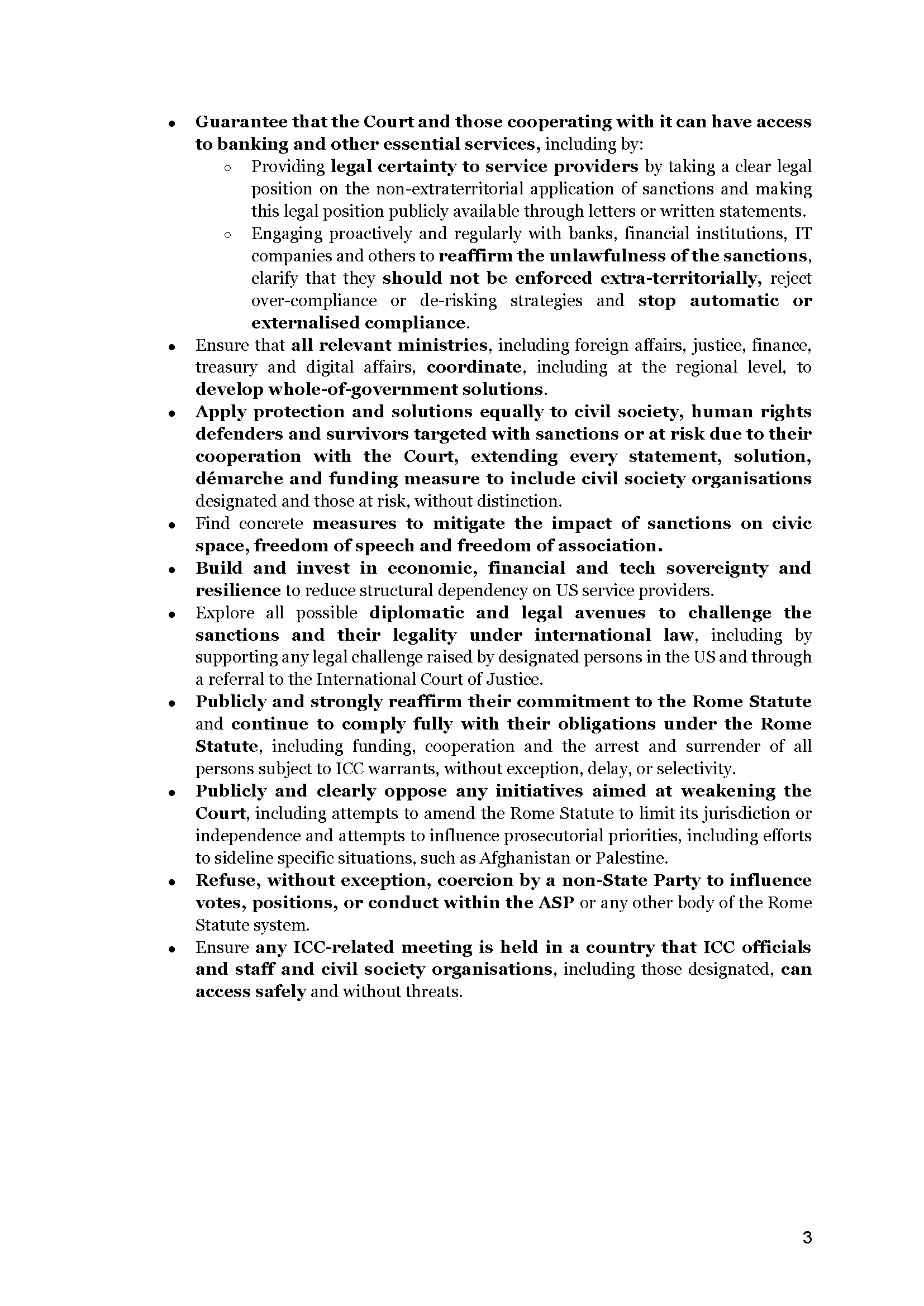
Read the full statement and the call to action: HERE
News

Sunflowers joins European call to protect the International Criminal Court

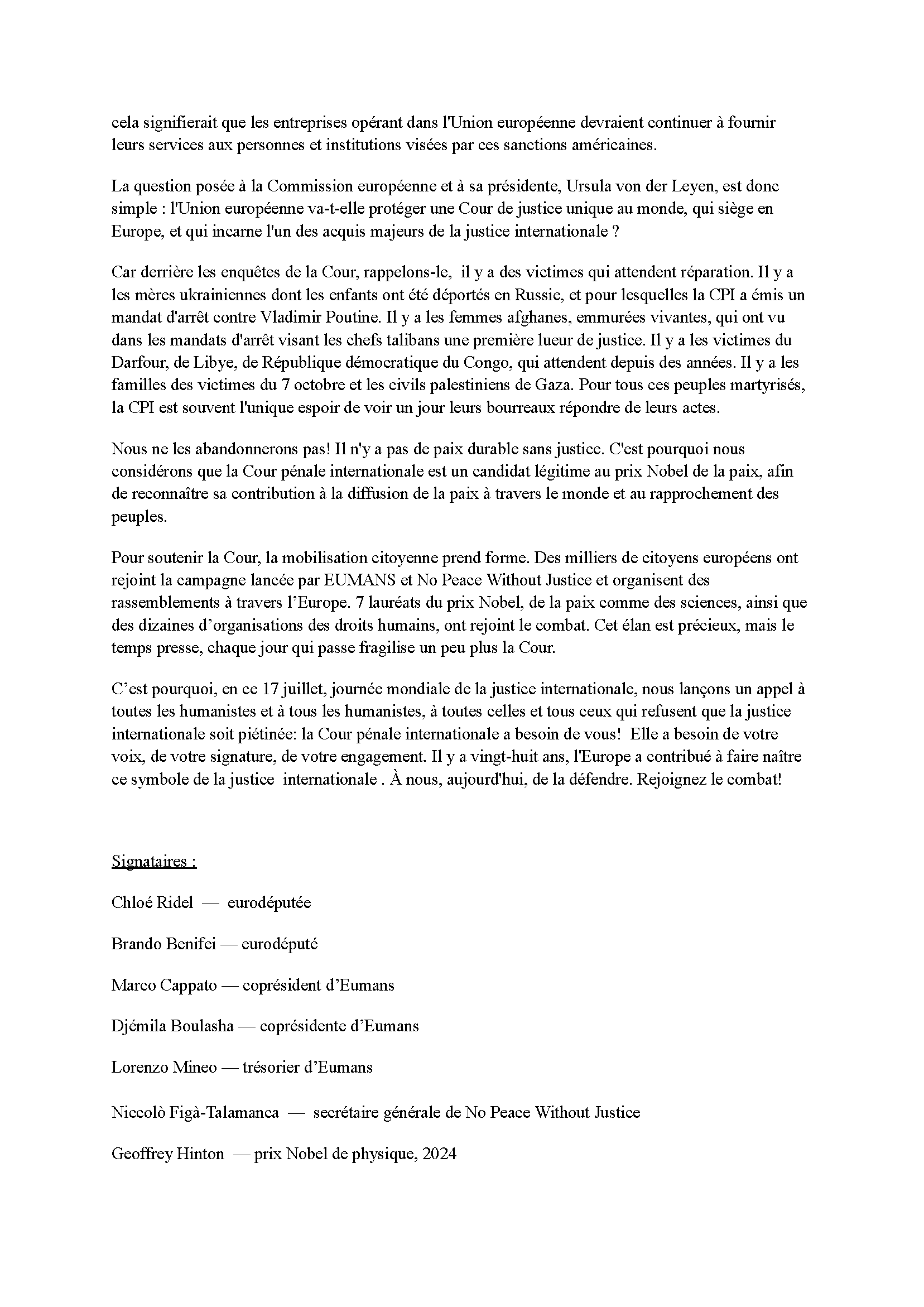
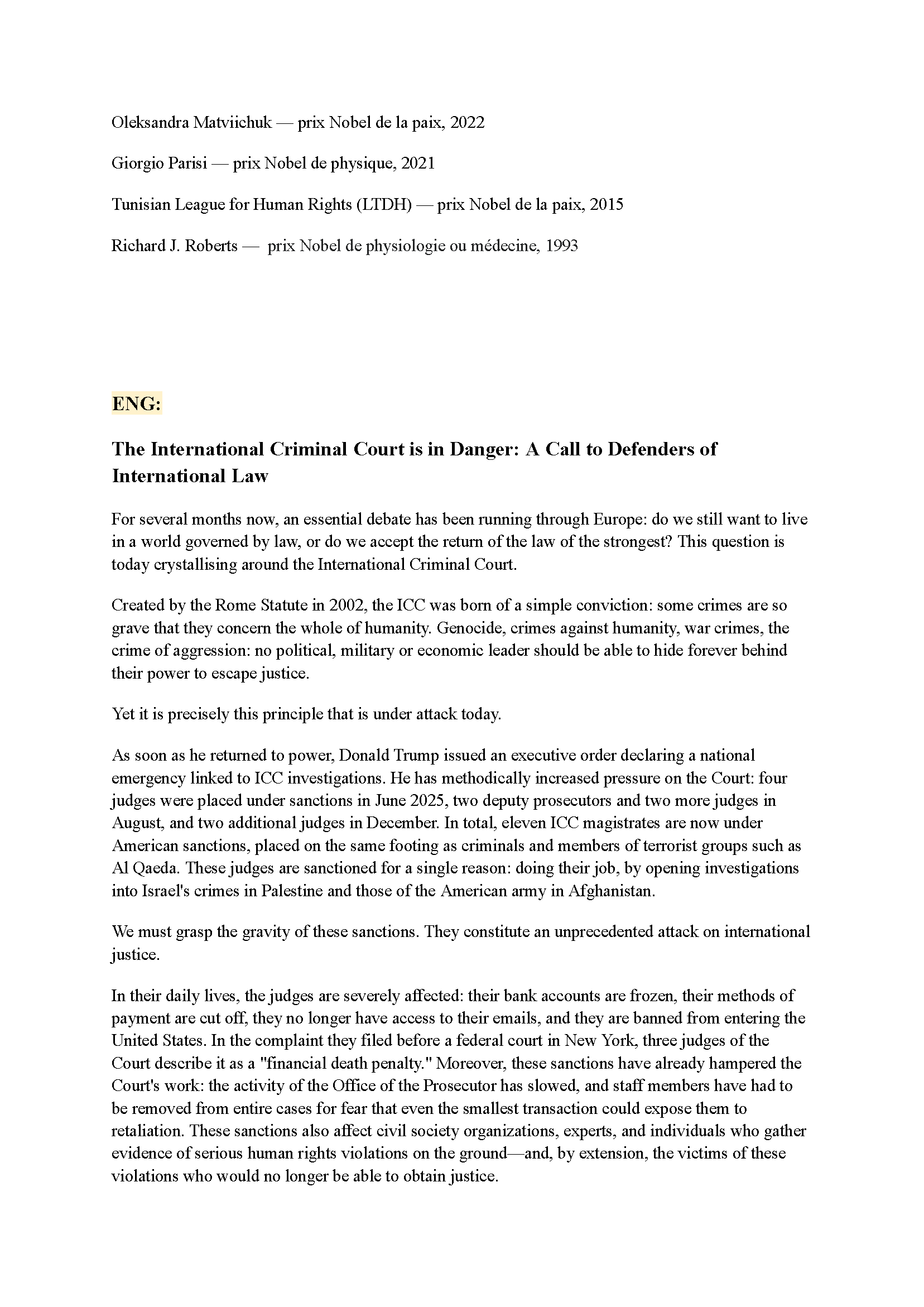
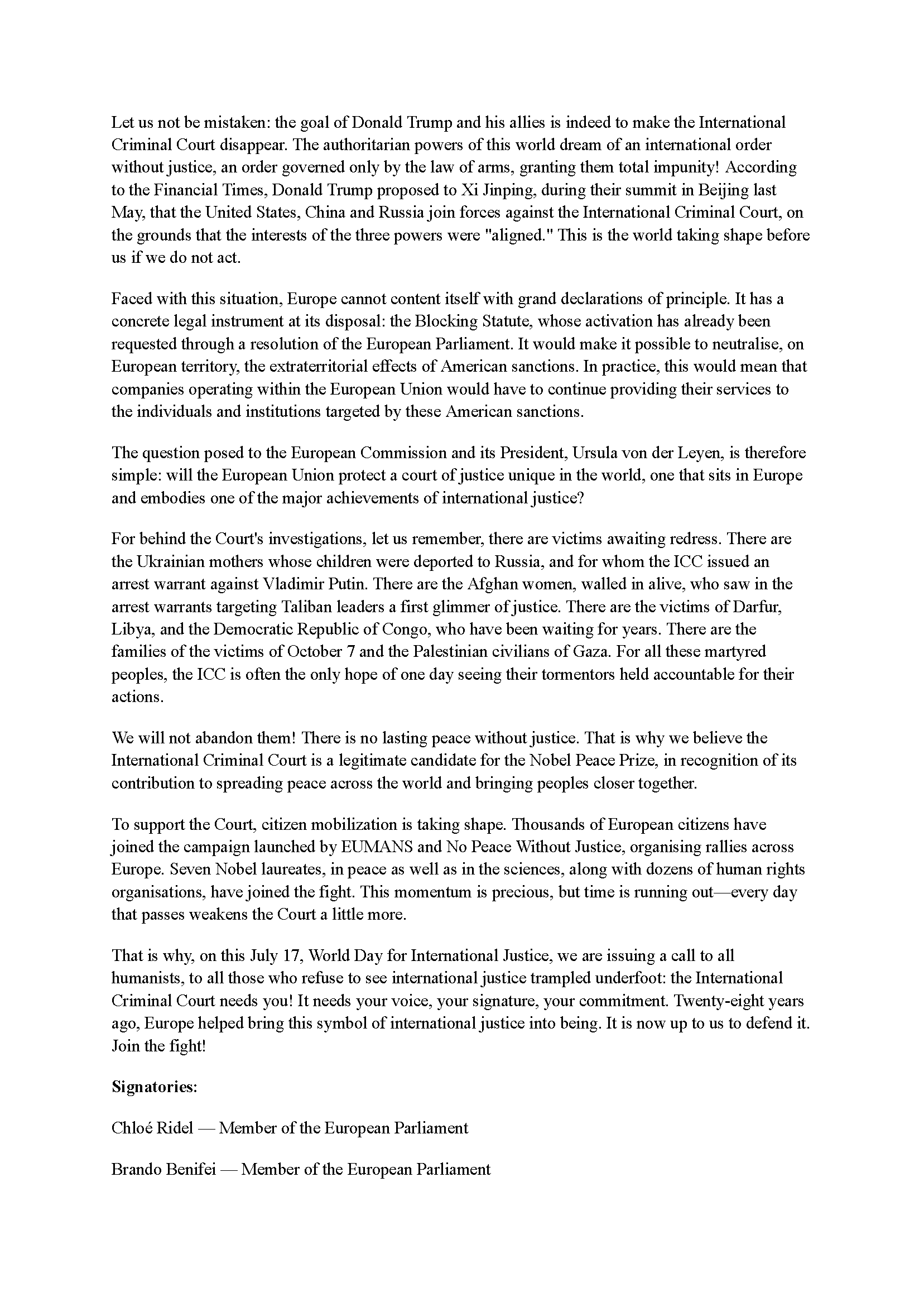
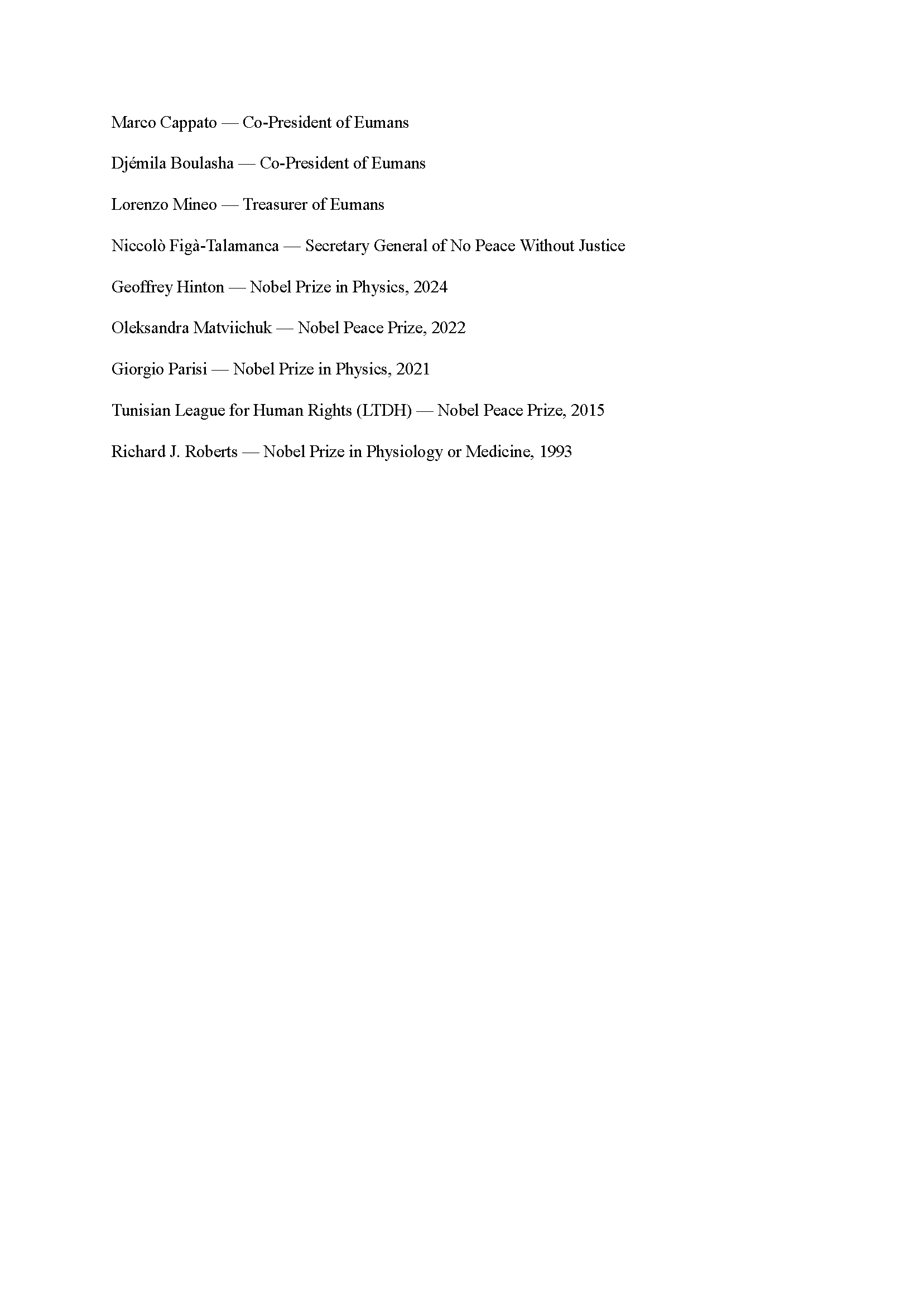
On 17 July 2026, Foundation Sunflowers joined a European civil society initiative calling for concrete legal and political action to protect the International Criminal Court (ICC) from escalating U.S. sanctions.
 
The Foundation was among the signatories of the statement, initiated by No Peace Without Justice and Eumans, alongside MEPs Chloé Ridel and Brando Benifei and Nobel Peace Prize laureates, including Oleksandra Matviichuk. The statement calls on European citizens, human rights defenders and advocates for international law to urge the European Union to take effective measures to safeguard the independence and functioning of the ICC, including by activating the EU Blocking Statute.
 
For Sunflowers, supporting the ICC and the international justice system is an important part of our commitment to accountability for international crimes and to strengthening mechanisms that protect victims and support the pursuit of justice.
SnapInsta.to_735009579_1489649409856100_3677626060982535625_n
Webinar

Project Sunflowers and Platform for Peace and Humanity invite you for a webinar organised on the occassion of International Justice Day.

The newly established Special Tribunal for the Crime of Aggression against Ukraine marks a significant development in the international accountability framework. Created to address the jurisdictional gap concerning the crime of aggression, it raises important questions about accountability, justice for Ukraine, and whether it can reinforce the principle that wars of aggression must never be committed with impunity.

The International Court of Justice has also assumed a more prominent role through its advisory opinions on climate change and the Occupied Palestinian Territory, as well as its growing docket of contentious cases, including those involving Ukraine and the Russian Federation. To what extent are its judgments and advisory opinions shaping state conduct and providing meaningful justice for affected communities?

At the domestic level, national courts exercising universal jurisdiction continue to complement international justice efforts. More than two decades after the landmark Pinochet case, are we witnessing a new era of universal jurisdiction, or is the twenty-first century still waiting for its next defining moment?

These questions will guide this International Justice Day webinar, exploring the strengths and limitations of international and domestic accountability mechanisms and their capacity to deliver justice in an increasingly complex world.
 
Link to register:
News

Sunflowers signs joint statement of Polish and Ukrainian civil society

The Foundation Sunflowers has joined Polish and Ukrainian civil society organisations and activists in signing a joint statement reaffirming the strength and continuity of Polish-Ukrainian civil society cooperation.
 
The statement emphasises that recent political developments will not weaken the long-standing friendship and cooperation between the two countries. Together, the signatories reaffirm their commitment to an independent, secure and democratic Ukraine and Poland, where human rights and fundamental freedoms are respected.
 
Sunflowers stands firmly behind this message of solidarity, friendship and continued cooperation between Polish and Ukrainian civil society.
instagram POZNAŃ
Webinar

Poznań: Spotkanie z cyklu “Sprawiedliwość w czasie wojny — od dokumentacji do odpowiedzialności”

On May 25 this year, a meeting with students entitled “Justice in Wartime” was held at the Faculty of Law and Administration of Adam Mickiewicz University in Poznań. During the event, participants watched the documentary “In Your Name – Justice in Wartime”, which presents how the Ukrainian justice system operates during wartime.

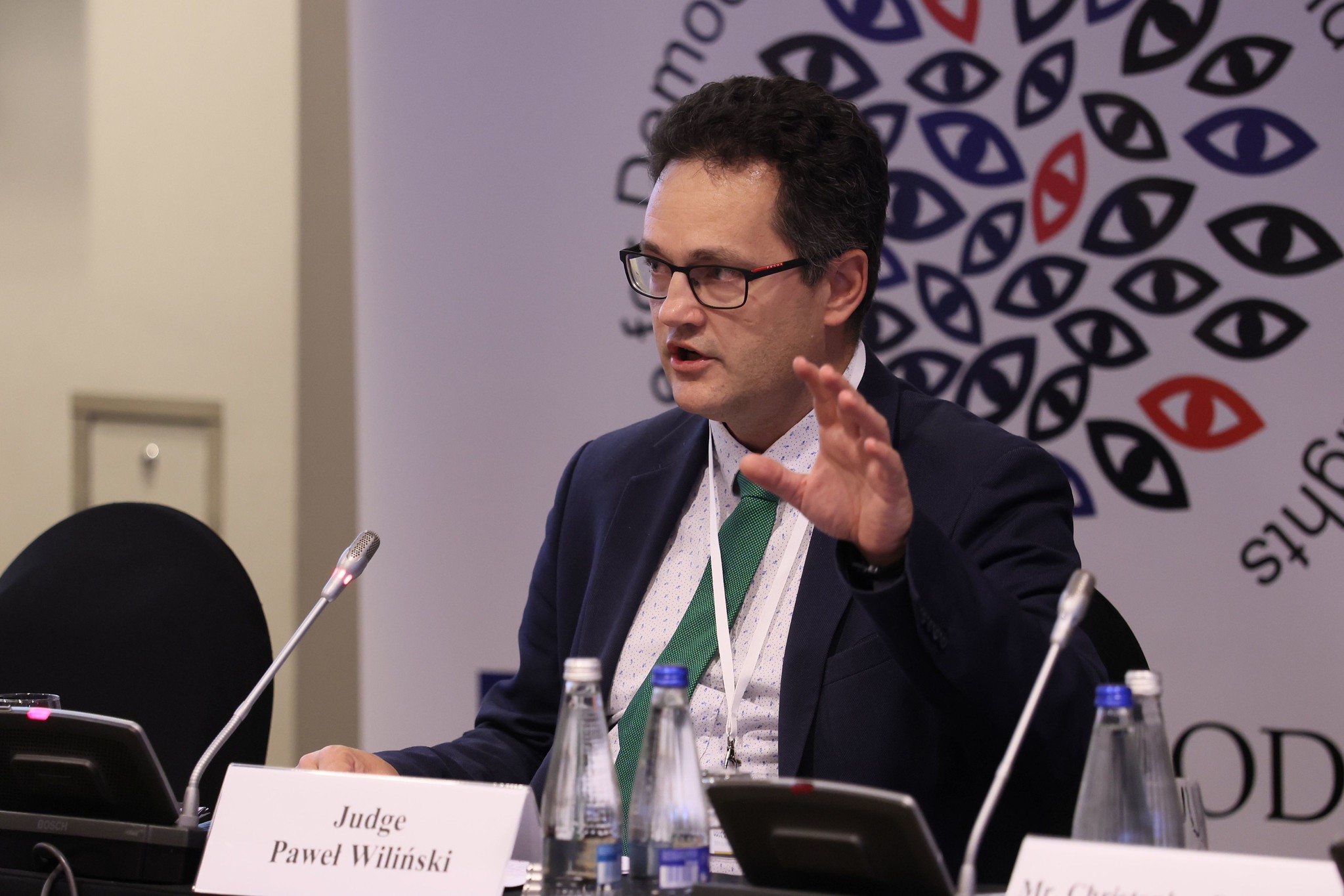
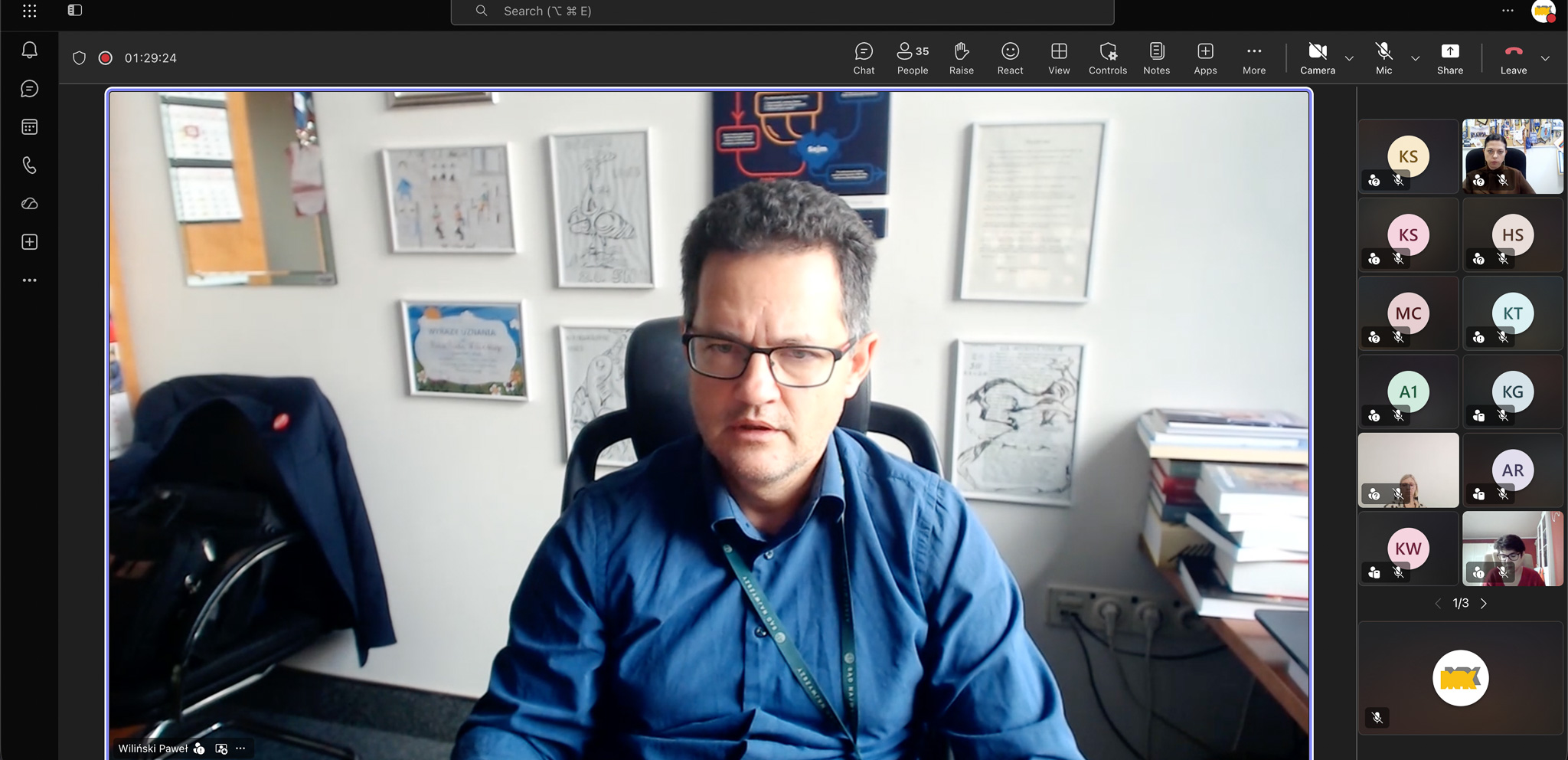
The screening was followed by a discussion featuring the Consul General of Ukraine in Poznań, Mr. Serhii Miniailo, Supreme Court Judge Prof. Paweł Wiliński, and Dr. Andriy Kosylo, Member of the Board of the Sunflowers Foundation. The discussion addressed important issues related to the functioning of the justice system during war, as well as bringing perpetrators of war crimes and other international crimes to justice.

The event was another meeting in a series of student discussions organized by the Sunflowers Foundation, the EU Pravo-Justice Project, and ELSA Poland. The partner of the event was the Faculty of Law and Administration of Adam Mickiewicz University in Poznań. The media partner was Prawo.pl. The event was held under the honorary patronage of the Ambassador of Ukraine to the Republic of Poland, Mr. Vasyl Bodnar.

instagram WROCLAW
Webinar

Wrocław: Spotkanie z cyklu “Sprawiedliwość w czasie wojny — od dokumentacji do odpowiedzialności”

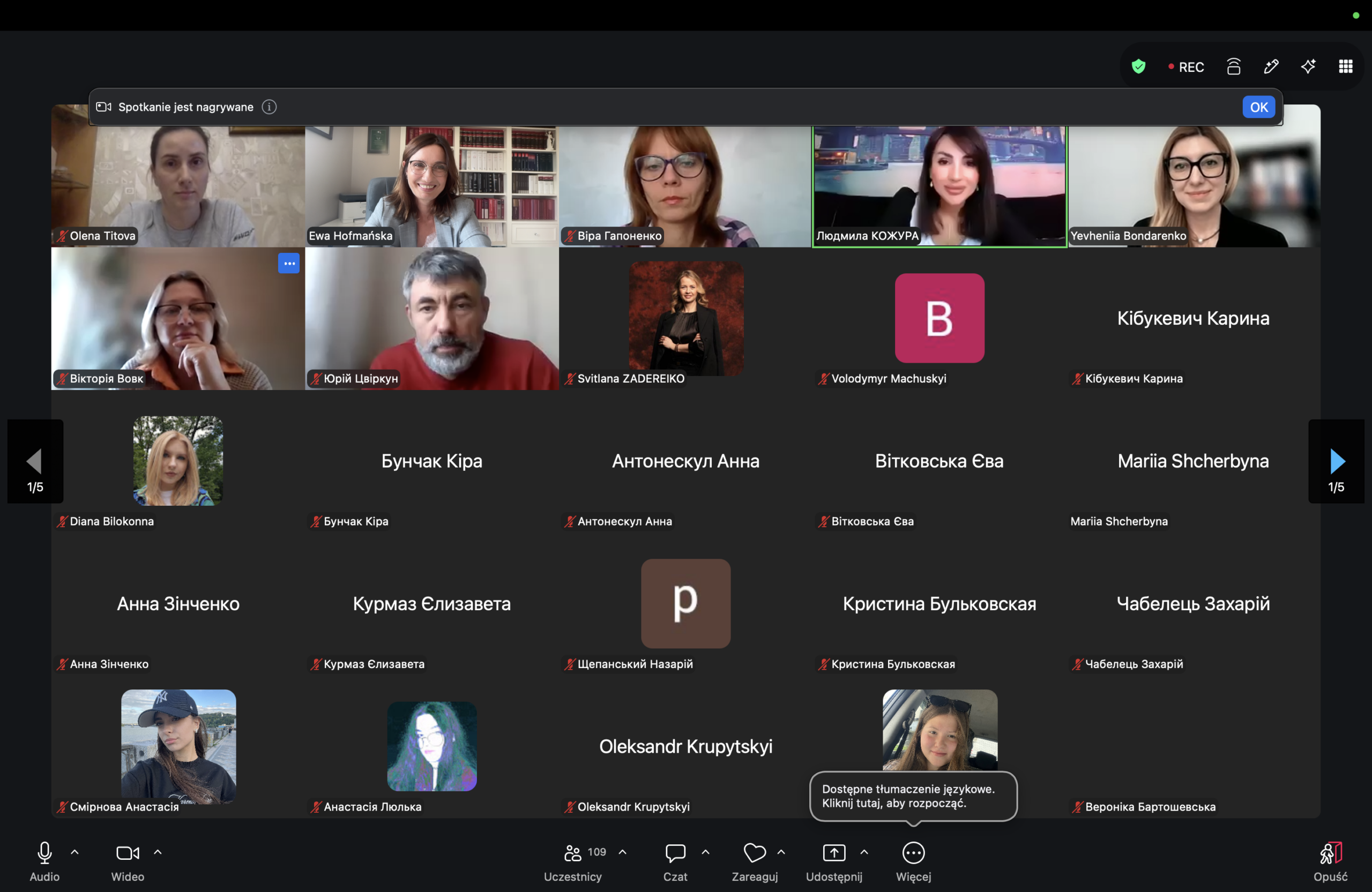
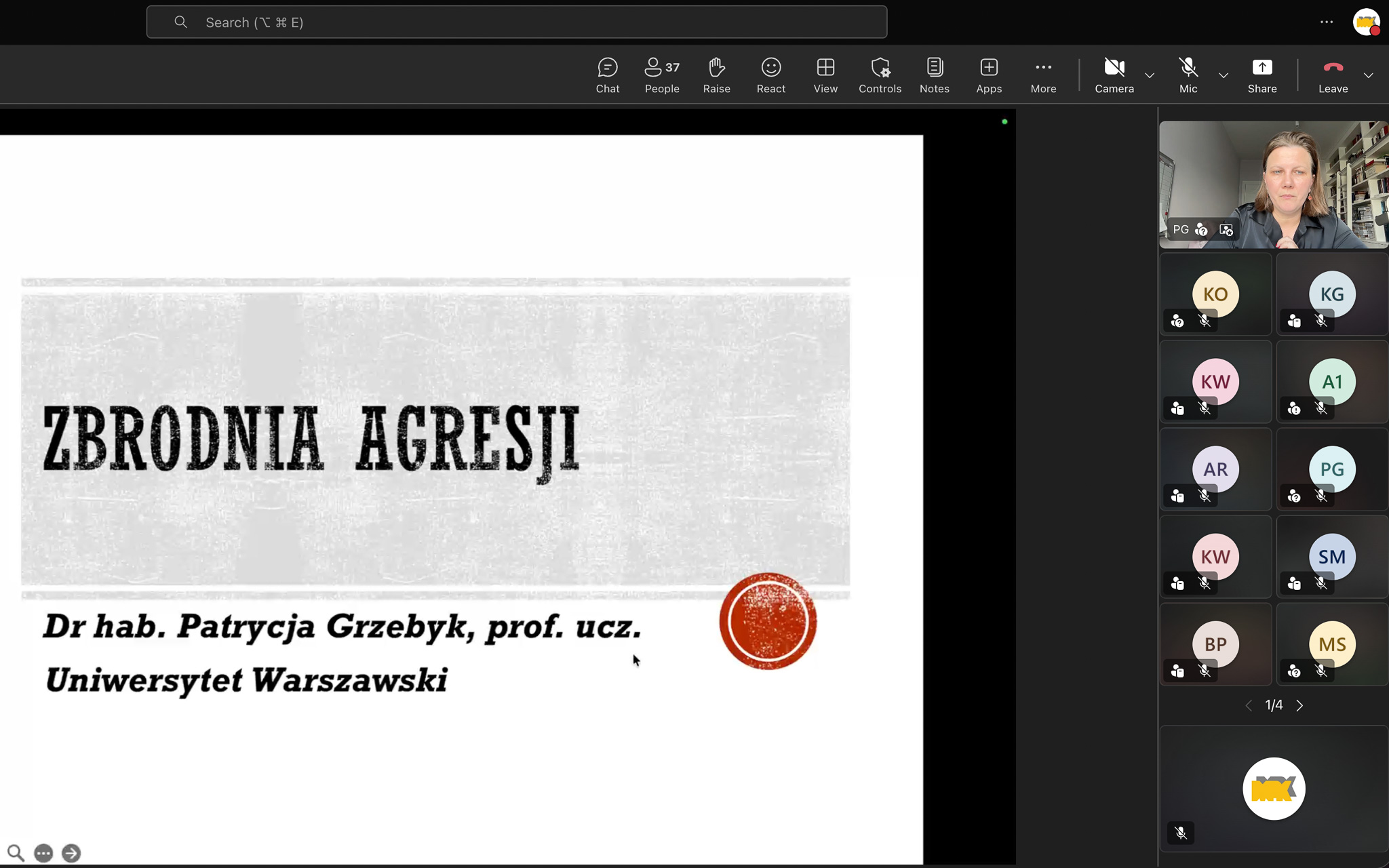
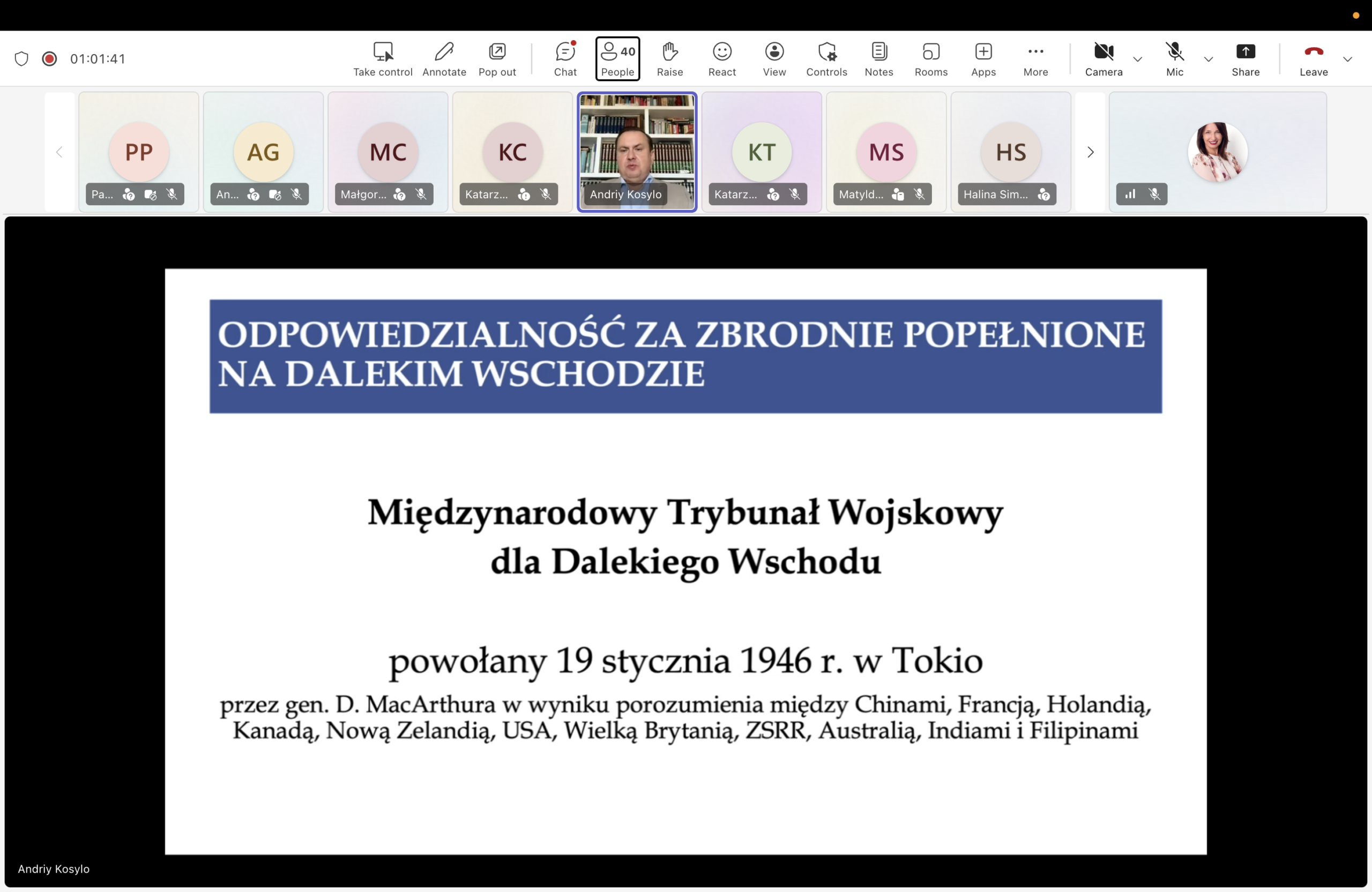
21 maja 2026 r., jako wydarzenie towarzyszące międzynarodowej konferencji „Przyszłość już tu jest. Polska–Ukraina–Europa: nowy paradygmat”, we Wrocławiu odbył się wykład poświęcony odpowiedzialności za zbrodnie popełniane w czasie konfliktów zbrojnych. Konferencja zgromadziła przedstawicieli środowiska akademickiego, administracji publicznej, organizacji społecznych oraz studentów z Polski, Ukrainy i innych krajów europejskich.

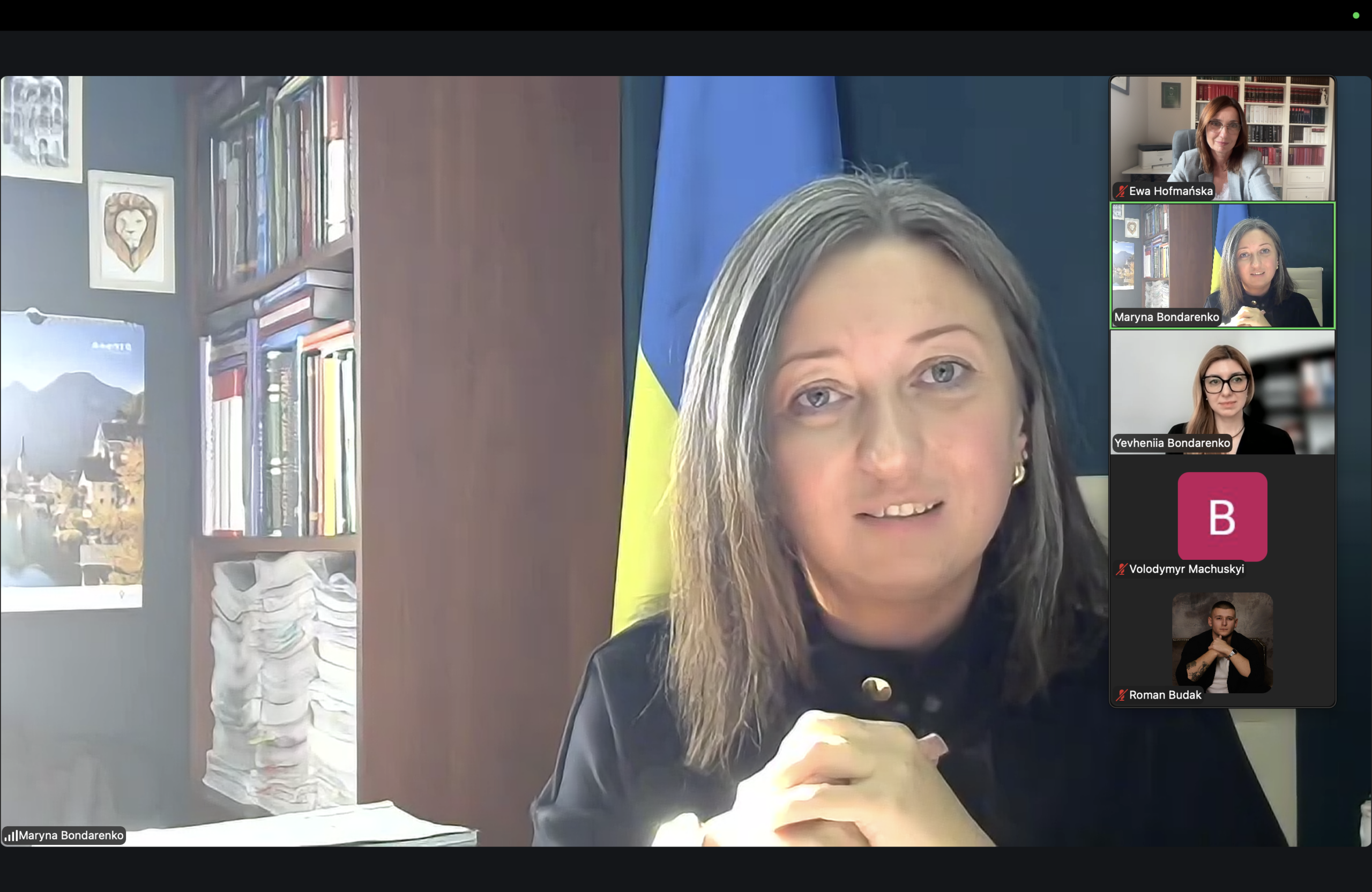
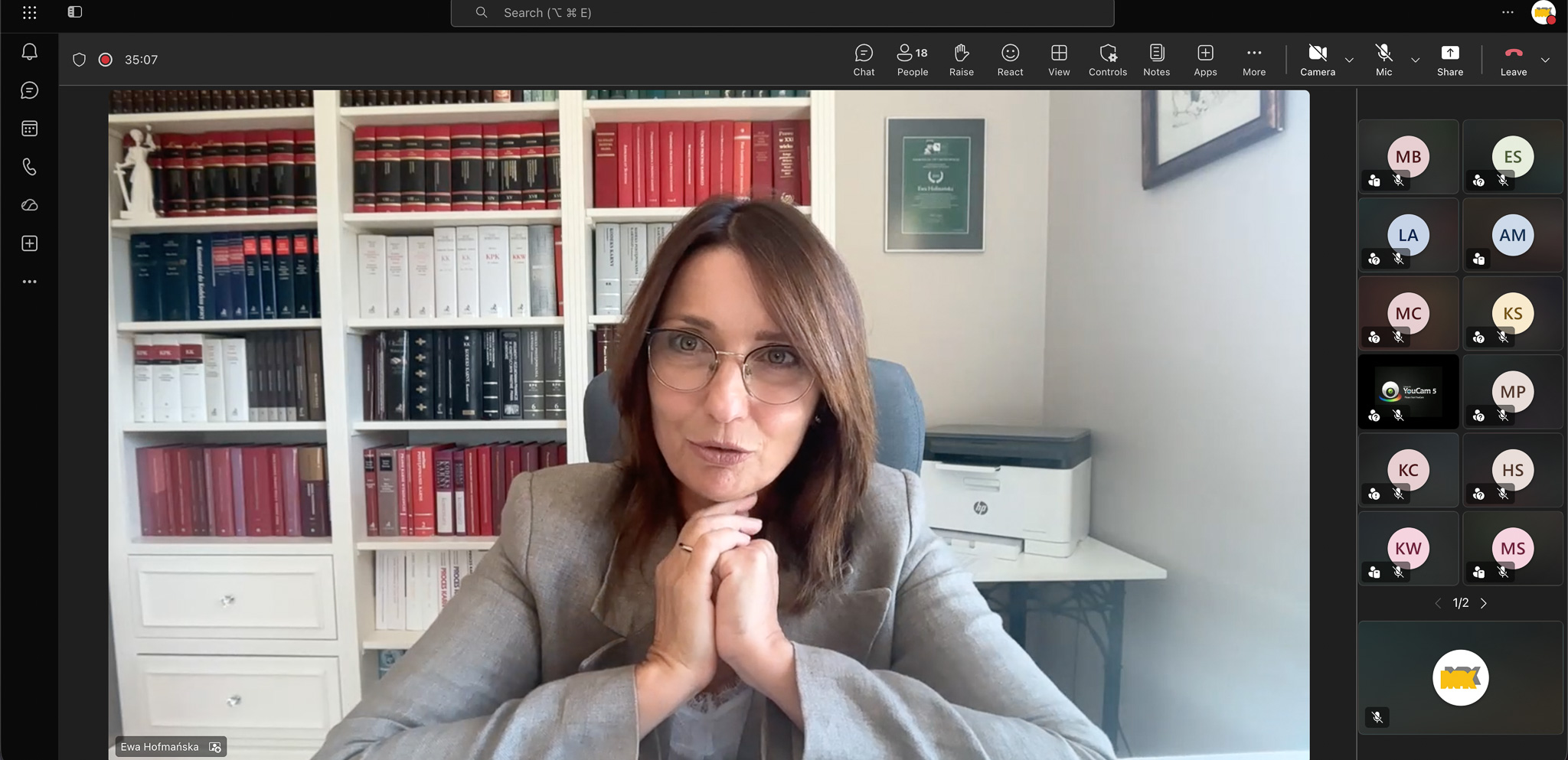
W spotkaniu uczestniczyli zarówno uczestnicy konferencji, jak i studenci zainteresowani problematyką międzynarodowego prawa karnego. Wykład pt. „Kto i jak rozliczy zbrodnie czasu wojny?” poprowadziła dr Ewa Hofmańska, przedstawiając mechanizmy ścigania sprawców najpoważniejszych zbrodni międzynarodowych, rolę sądów krajowych i międzynarodowych oraz wyzwania związane z dokumentowaniem i rozliczaniem zbrodni popełnianych w związku z agresją Rosji przeciwko Ukrainie.

Spotkanie stworzyło przestrzeń do dyskusji o sprawiedliwości, odpowiedzialności i znaczeniu prawa międzynarodowego w obliczu współczesnych konfliktów zbrojnych, wpisując się w szerszą debatę o przyszłości Europy i powojennej odbudowie ładu międzynarodowego.
instagram UW
Webinar

Warszawa: Spotkanie z cyklu “Sprawiedliwość w czasie wojny. Od dokumentacji do odpowiedzialności

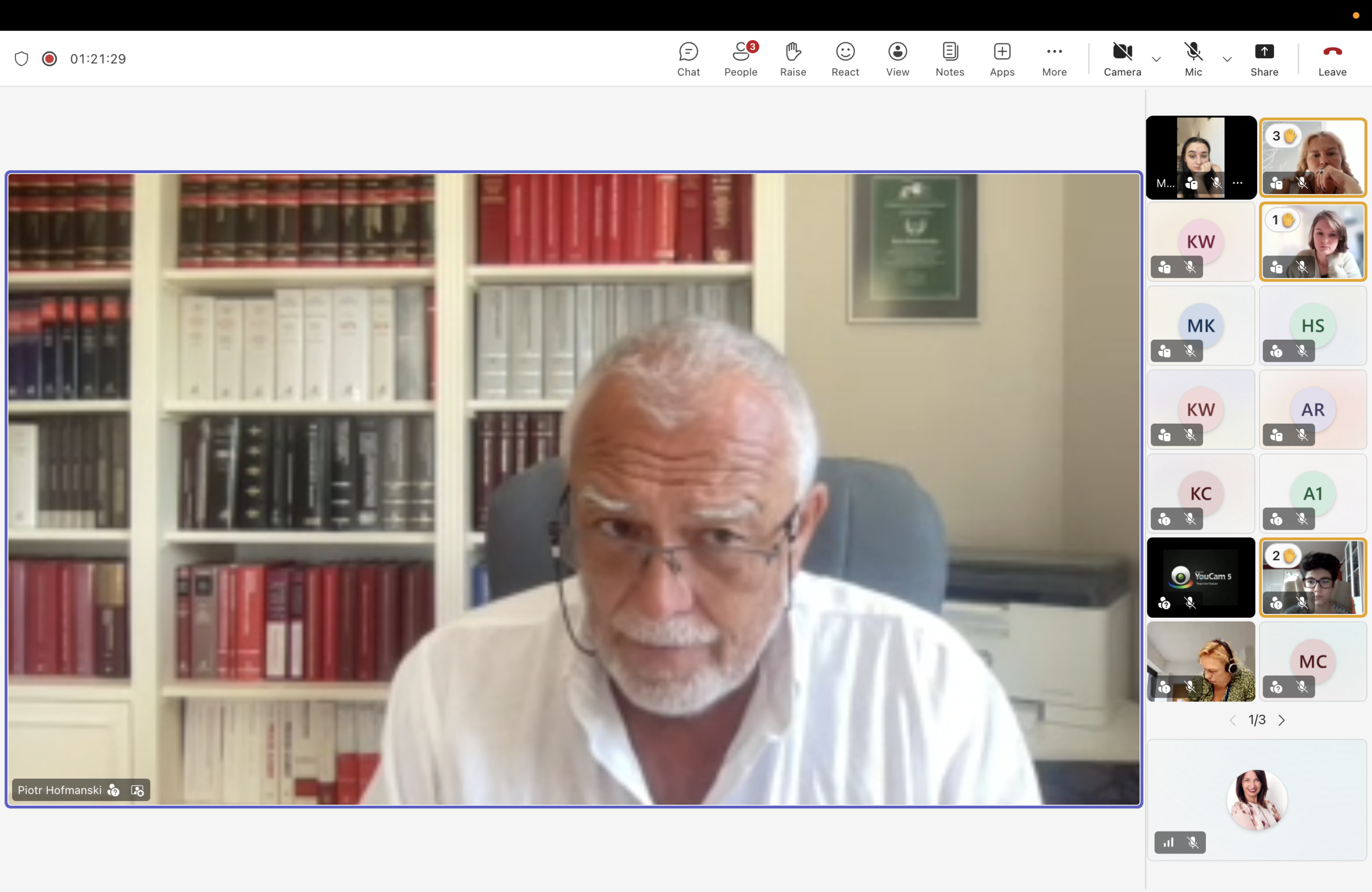
12 maja w Warszawie Fundacja Słoneczniki zainaugurowała nową serię spotkań ze studentami. Wydarzenie poświęcone było wyzwaniom związanym z dokumentowaniem i ściganiem zbrodni międzynarodowych popełnionych podczas wojny na Ukrainie, a także roli prawników i środowisk akademickich we wspieraniu działań na rzecz sprawiedliwości i pociągnięcia sprawców do odpowiedzialności.

W dyskusji wzięli udział Olha Sribniak z finansowanej przez UE organizacji Pravo-Justice oraz profesor Paweł Wiliński, sędzia Sądu Najwyższego i przewodniczący Rady Fundacji Słoneczniki. Spotkanie było również okazją do omówienia zaangażowania studentów i młodych prawników w inicjatywy wspierające sprawiedliwość i pociąganie do odpowiedzialności za zbrodnie wojenne.
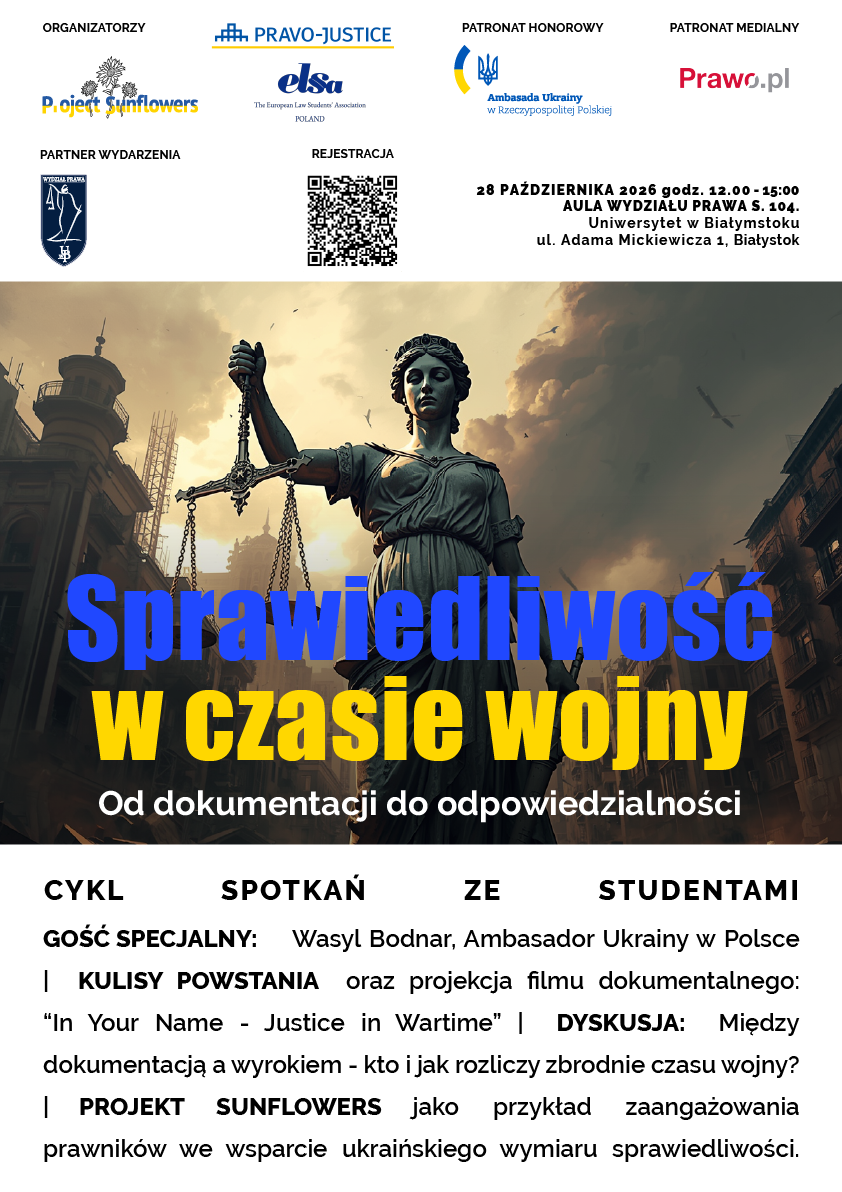
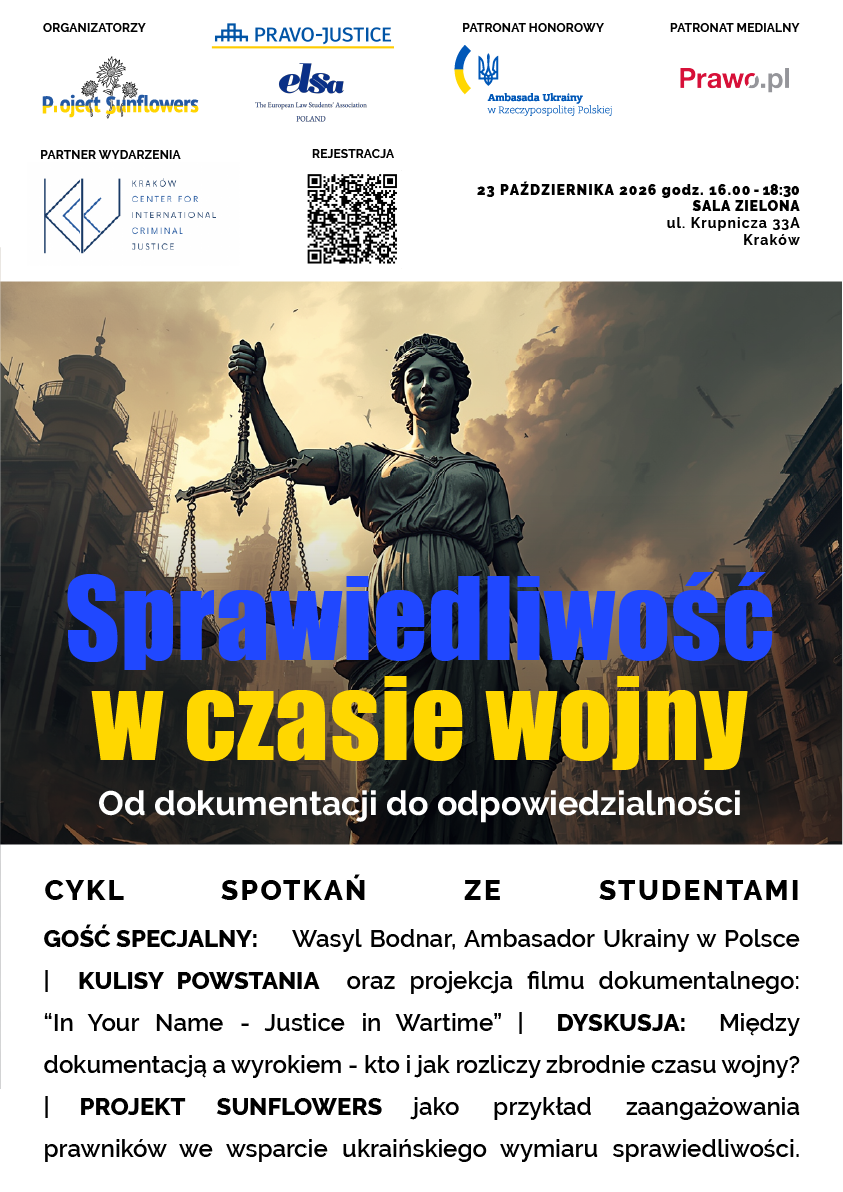
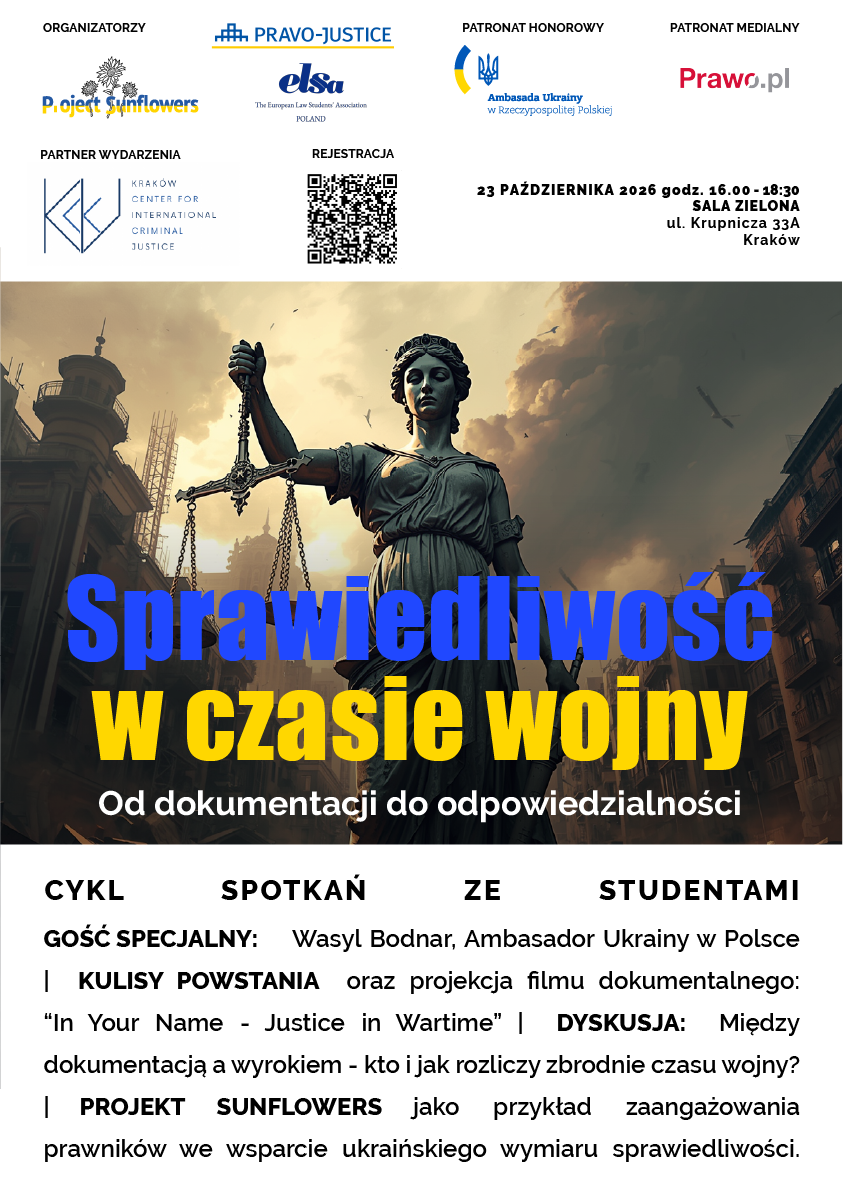
SPRAWIEDLIWOSC W CZASIE WOJNY
Webinar

“Justice in Times of War: From Documentation to Accountability”

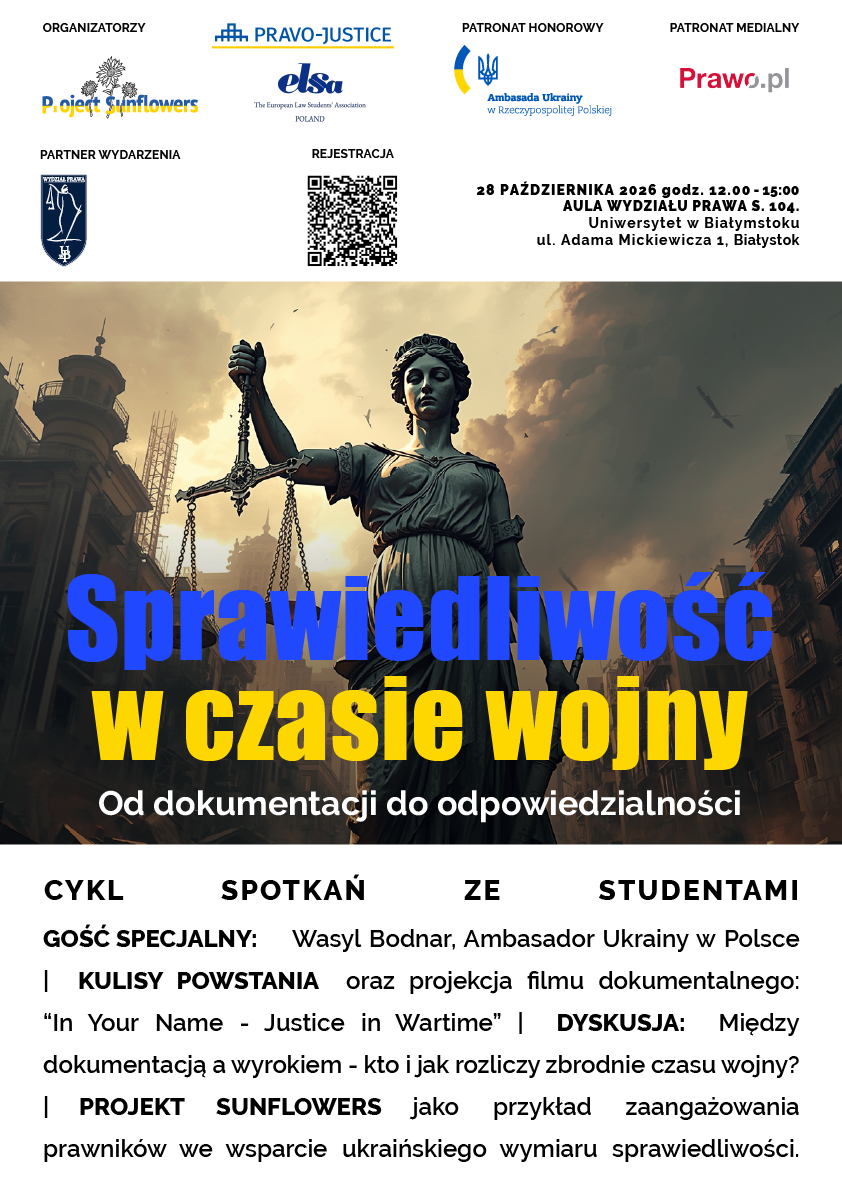
“Justice in Times of War: From Documentation to Accountability” is a series of academic events organized by the Foundation Sunflowers and hosted at law faculties across Poland. The initiative is designed for law students and aims to explore the challenges faced by the justice system in situations of armed conflict, with a particular focus on the experience of Ukraine. 

Each event features a screening of a documentary film portraying the work of Ukrainian judges during wartime, offering a unique insight into the functioning of the judiciary under extreme conditions, including the documentation and adjudication of international crimes.  

The screening is followed by a moderated discussion addressing key issues such as the need to support the Ukrainian justice system, the ethical responsibilities of judges in times of war, and the role of the international legal community in ensuring accountability for war crimes. The events are interactive and provide a platform for dialogue between students and experts. 

The series is held under the honorary patronage of the Ambassador of Ukraine to Poland, Mr. Vasyl Bodnar, highlighting the importance and timeliness of the initiative. Co-organizers of the series of events are the EU Project Pravo-Justice (producer of the documentary), Wolters Kluwer Polska and European Law Students’ Association ELSA-Poland. The media patron of the initiative is Prawo.pl. 

Each meeting concludes with a brief presentation of the Project’s Sunflowers activities as an example of a legal initiative supporting international justice and raising awareness of legal responses to armed conflict.